Frequently Asked Questions
How can I benefit from artificial grass in my backyard?
The benefits of artificial grass in your backyard include low maintenance, water conservation, and a consistently lush appearance. It provides a safe, durable surface for play and relaxation while eliminating the need for pesticides and fertilizers.
What are the advantages of using synthetic turf for pets?
The advantages of using synthetic turf for pets include its durability, easy maintenance, and cleanliness. It provides a soft, safe surface for pets to play on, drains well, and eliminates mud and grass stains, making it ideal for pet owners.
What is the installation process for artificial grass?
The installation process for artificial grass involves several key steps. First, the area is prepared by removing existing grass and debris. Next, a base layer is installed, followed by the placement of the artificial turf, which is then secured and infilled for stability.
How does artificial turf compare to natural grass in terms of maintenance?
Artificial turf requires significantly less maintenance than natural grass. It eliminates the need for mowing, watering, and fertilizing, making it an eco-friendly and cost-effective landscaping solution.
What types of artificial grass do you offer for commercial landscaping?
The types of artificial grass we offer for commercial landscaping include durable options designed for high foot traffic, pet-friendly varieties, and realistic looking turf suitable for aesthetic enhancement. Each product is tailored to meet specific commercial needs.
What are the cost savings of artificial grass?
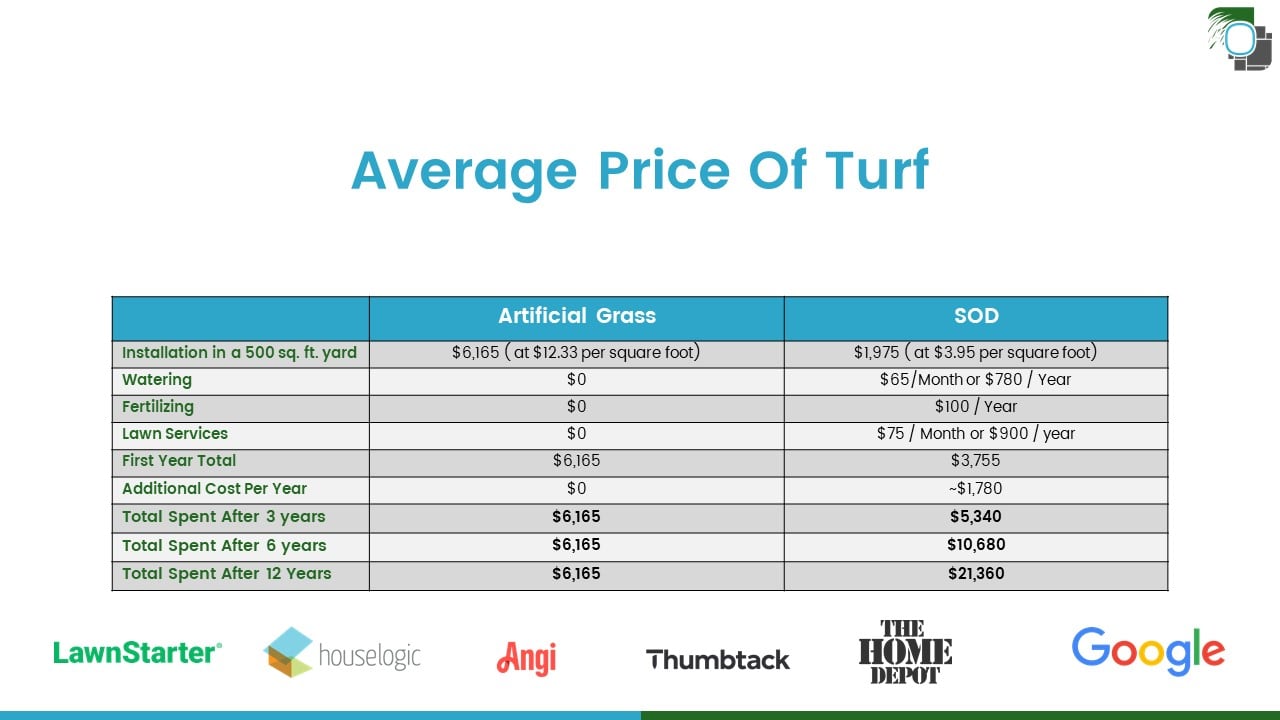
The cost savings of artificial grass include reduced water bills, lower maintenance costs, and no need for fertilizers or pesticides. Over time, these factors significantly decrease landscaping expenses, making it a smart investment for both residential and commercial properties.
How long does artificial turf last?
The lifespan of artificial turf is typically around 15 to 25 years, depending on factors such as the quality of the materials used and the level of maintenance it receives.
Is artificial grass safe for children?
Artificial grass is safe for children. It is made from non-toxic materials, provides a soft surface to play on, and is free from harmful chemicals, making it an ideal choice for family-friendly outdoor spaces.
Can artificial grass withstand heavy foot traffic?
Artificial grass can withstand heavy foot traffic effectively. Designed for durability, our premium synthetic turf maintains its appearance and performance even in high-use areas, making it an excellent choice for both residential and commercial applications.
What maintenance is required for synthetic turf?
The maintenance required for synthetic turf includes periodic brushing to keep the fibers upright, rinsing to remove dust and debris, and checking for any damages. Additionally, using infill and removing pet waste will help maintain its appearance and longevity.
How does artificial grass affect drainage?
Artificial grass positively affects drainage by allowing water to flow through its porous backing, preventing pooling and ensuring efficient runoff. This feature helps maintain a dry and usable surface, making it ideal for various landscapes.
What colors of artificial grass are available?
The available colors of artificial grass include vibrant shades of green, ranging from light to dark, as well as options that mimic natural grass variations. Custom colors may also be available to suit specific landscaping needs.
Can I install artificial grass myself?
Installing artificial grass yourself is possible, but it requires careful planning and the right tools. For the best results, consider hiring professionals who can ensure a proper installation and maximize your investment.
What is the best type of turf for pets?
The best type of turf for pets is a durable, non-toxic synthetic grass designed for high traffic and easy drainage. Look for options with antimicrobial properties and a soft texture to ensure comfort and safety for your furry friends.
How does artificial grass impact the environment?
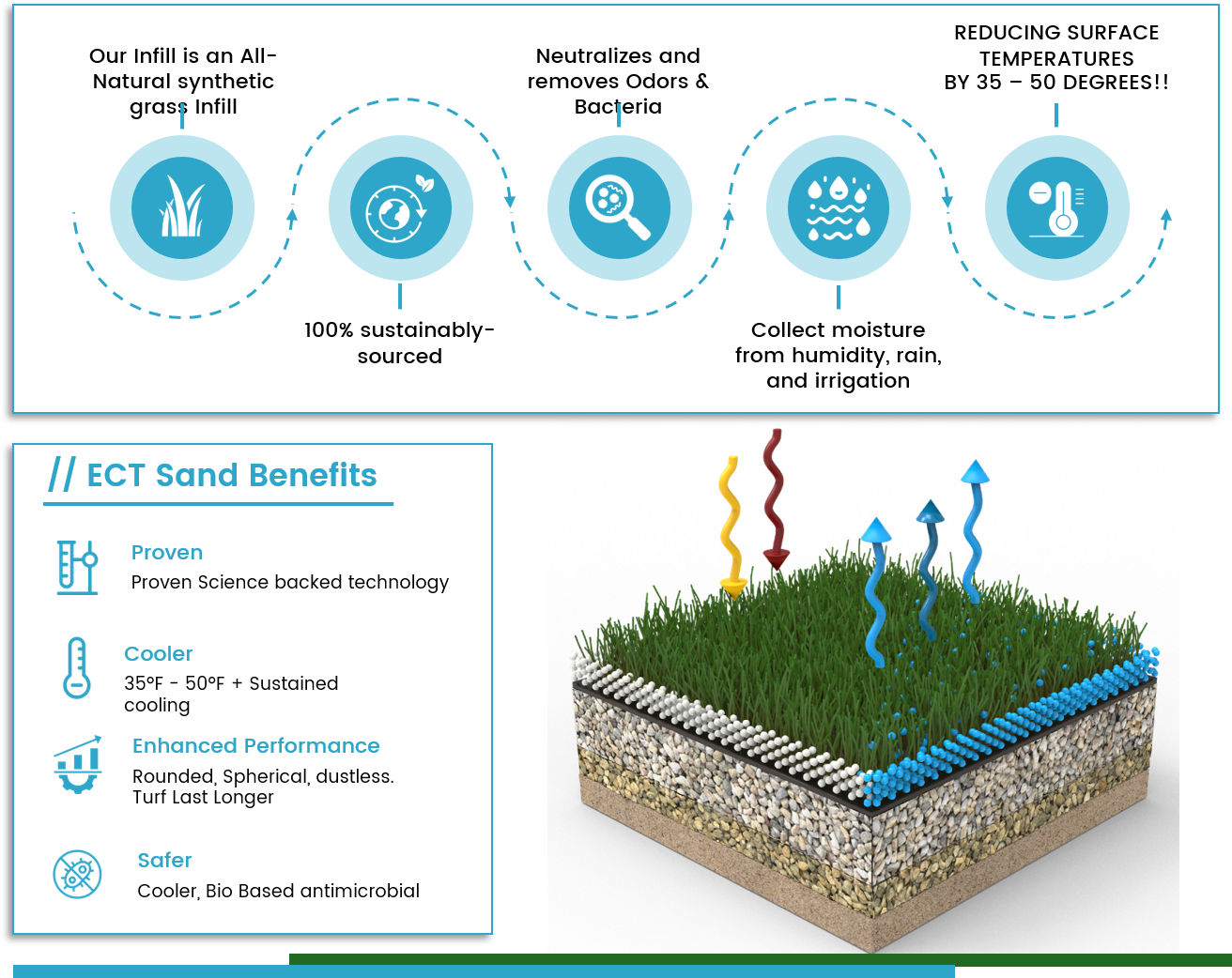
The impact of artificial grass on the environment is significant. It conserves water, reduces pesticide use, and eliminates the need for gas-powered lawn equipment, contributing to a more sustainable and eco-friendly landscape.
What are the benefits of turf for sports fields?
The benefits of turf for sports fields include enhanced durability, consistent playing surfaces, reduced maintenance, and improved safety for athletes. Artificial turf allows for year-round use, regardless of weather conditions, making it an ideal choice for sports facilities.
How do I clean artificial grass?
Cleaning artificial grass involves removing debris and rinsing it with water. For tougher stains, use a mild soap solution and a brush. Regular maintenance ensures your turf remains fresh and vibrant.
What is the warranty on artificial turf products?
The warranty on artificial turf products varies by manufacturer but typically ranges from 8 to 15 years, covering issues like fading, deterioration, and manufacturing defects. Always check specific product details for precise warranty information.
Can artificial grass be installed over concrete?
Artificial grass can indeed be installed over concrete. This method provides a durable, low-maintenance surface that enhances aesthetics while eliminating the need for traditional grass care. Proper preparation and drainage considerations are essential for optimal results.
What are the best uses for synthetic turf?
The best uses for synthetic turf include residential lawns, pet areas, playgrounds, and commercial landscapes. Its low-maintenance, durable nature makes it ideal for enhancing outdoor spaces while conserving water and reducing upkeep costs.
How does artificial grass handle extreme weather?
Artificial grass is designed to withstand extreme weather conditions, including intense heat and heavy rainfall. Its durable materials resist fading, and proper drainage systems prevent water accumulation, ensuring a lush appearance year-round regardless of climate challenges.
What is the difference between types of turf?
The difference between types of turf lies in their materials, texture, and intended use. Natural grass alternatives can vary in durability, appearance, and maintenance requirements, making it essential to choose the right type for your specific landscaping needs.
How do I choose the right turf for my needs?
Choosing the right turf for your needs involves considering factors such as the intended use (residential or commercial), foot traffic levels, climate conditions, and maintenance preferences. Evaluate options based on durability, appearance, and eco-friendliness to find the best fit.
What are the aesthetic benefits of artificial grass?
The aesthetic benefits of artificial grass include a consistently lush, green appearance year-round, enhancing the visual appeal of any landscape. It requires minimal upkeep, ensuring your outdoor space remains beautiful without the hassle of traditional lawn care.
How does artificial grass improve property value?
Artificial grass improves property value by enhancing curb appeal, reducing maintenance costs, and providing a lush, green landscape year-round. Its eco-friendly qualities and durability make properties more attractive to potential buyers, ultimately increasing market value.
What are common misconceptions about synthetic turf?
Common misconceptions about synthetic turf include the belief that it requires high maintenance, is harmful to pets, or looks unnatural. In reality, modern artificial grass is low-maintenance, pet-friendly, and designed to mimic the appearance of natural grass effectively.
How is artificial grass manufactured?
The manufacturing process of artificial grass involves creating synthetic fibers from polyethylene or polypropylene, which are then tufted into a backing material. This process ensures durability, realistic appearance, and low maintenance for various applications.
What are the eco-friendly features of artificial grass?
The eco-friendly features of artificial grass include water conservation, as it eliminates the need for irrigation, and reduced pesticide and fertilizer usage, promoting a healthier environment. Additionally, many products are made from recycled materials, further minimizing environmental impact.
Can artificial grass be recycled?
Artificial grass can be recycled. Many manufacturers and recycling facilities accept used synthetic turf, allowing it to be repurposed into new products, thus contributing to environmental sustainability while reducing landfill waste.
What is the installation timeline for synthetic turf?
The installation timeline for synthetic turf typically ranges from one to three days, depending on the project size and complexity. Factors such as site preparation and weather conditions may also affect the schedule.